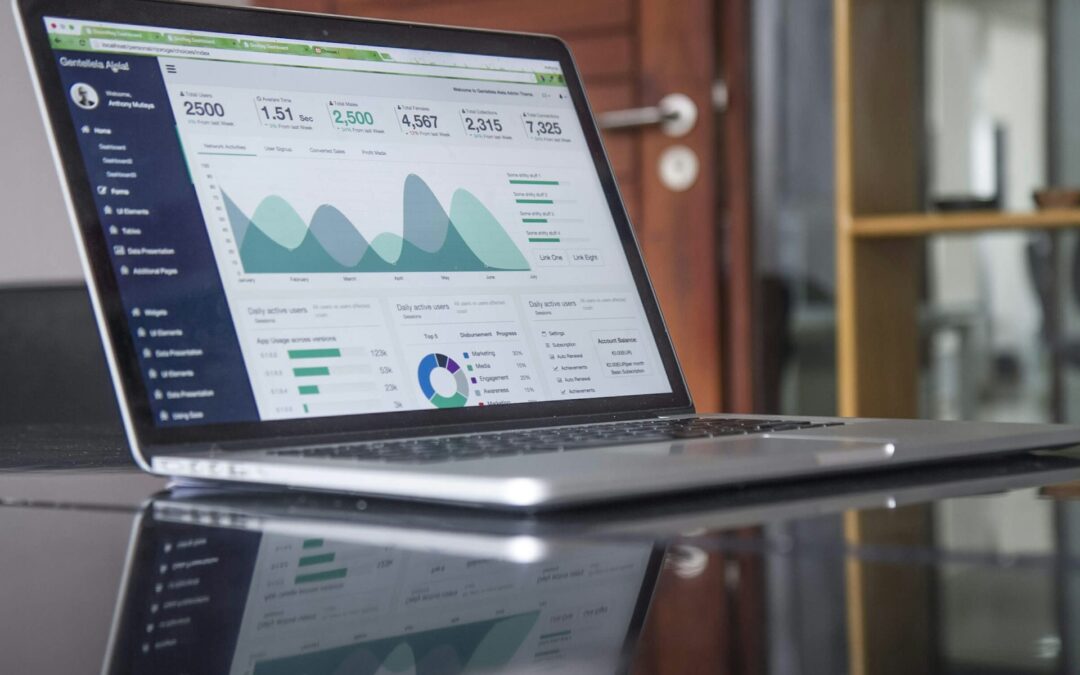
What small business accounting software has to handle in Canada, how QuickBooks Online, Xero, FreshBooks and Wave compare on their own published features, and how to set up your file properly.

Practical guides to Canadian personal and business tax, bookkeeping, payroll, GST/HST and dealing with the CRA, written for Ottawa individuals and small business owners by the team at BBA Tax. Need help with your own situation? Book a free intro call.
What small business accounting software has to handle in Canada, how QuickBooks Online, Xero, FreshBooks and Wave compare on their own published features, and how to set up your file properly.

Effective bookkeeping is the backbone of any successful small business. It not only ensures compliance with tax regulations but also provides insights into your business's financial health. For small business owners in Ottawa and across Canada, understanding and...

Employees and self-employed people can both deduct home office costs for 2026, but under different rules. Here is who qualifies, what you can claim, how to calculate it and which forms you need.

Federal and Ontario corporate tax rates for 2026, including the July 1 cut to Ontario’s small business rate, the $500,000 business limit, the passive income grind and T2 deadlines.

Income splitting still works in Canada, but only through specific routes. Here are the 2026 rules for pension splitting, spousal RRSPs, prescribed-rate loans, family salaries and TOSI.

Managing payroll remittances is a crucial responsibility for Canadian business owners. Ensuring accurate payroll deductions and timely remittances to the Canada Revenue Agency (CRA) helps businesses remain compliant with tax regulations and avoid penalties. This guide...

Canadian dividends are grossed up, then reduced by a dividend tax credit. Here are the 2026 federal and Ontario rates for eligible and non-eligible dividends, a worked example, and what changes in 2027.

As the year comes to a close, Canadian business owners must take proactive steps to ensure their financial affairs are in order and that they optimize their tax situation. Effective year-end tax planning can help minimize tax liabilities, maximize deductions, and...

Filing your personal taxes in Canada is an essential financial responsibility for all individuals. Whether you're an employee, self-employed, or a student, understanding the process of tax filing can help you maximize deductions, claim eligible benefits, and avoid...

Filing corporate taxes is a critical responsibility for businesses in Canada. Whether you’re a small business owner or managing a large corporation, navigating the Canada Revenue Agency’s (CRA) corporate tax filing requirements can be complex. However, understanding...

Paying taxes is a legal obligation for individuals and businesses in Canada. Failing to pay taxes or file tax returns on time can lead to severe consequences, including financial penalties, interest charges, legal action, and damage to your credit score. For many,...

Navigating tax filing and reporting requirements can be overwhelming for businesses in Ontario, whether you operate as a sole proprietor or a corporation. The Canada Revenue Agency (CRA) has distinct obligations, deadlines, and processes for each business structure....